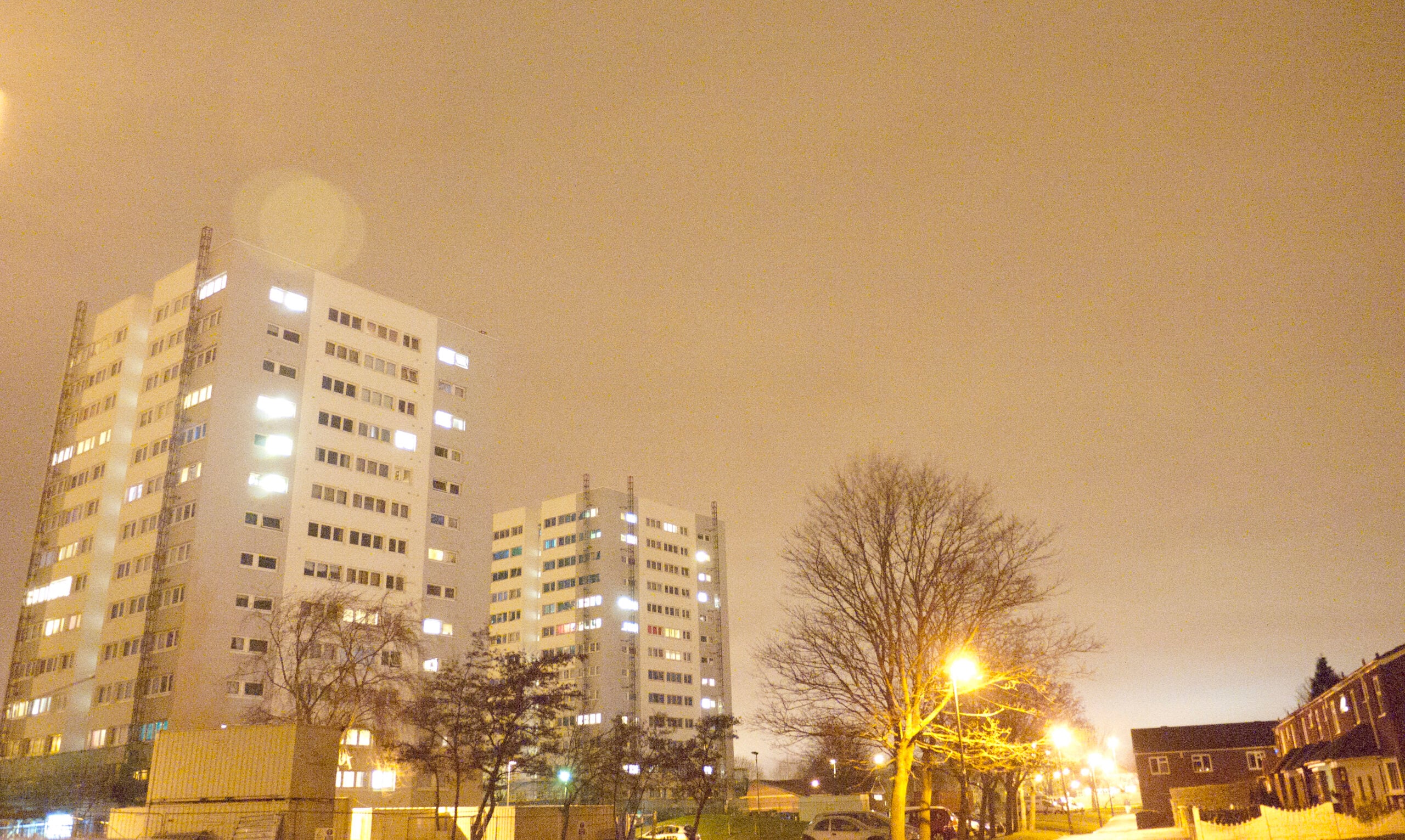
The Problem with Light Pollution
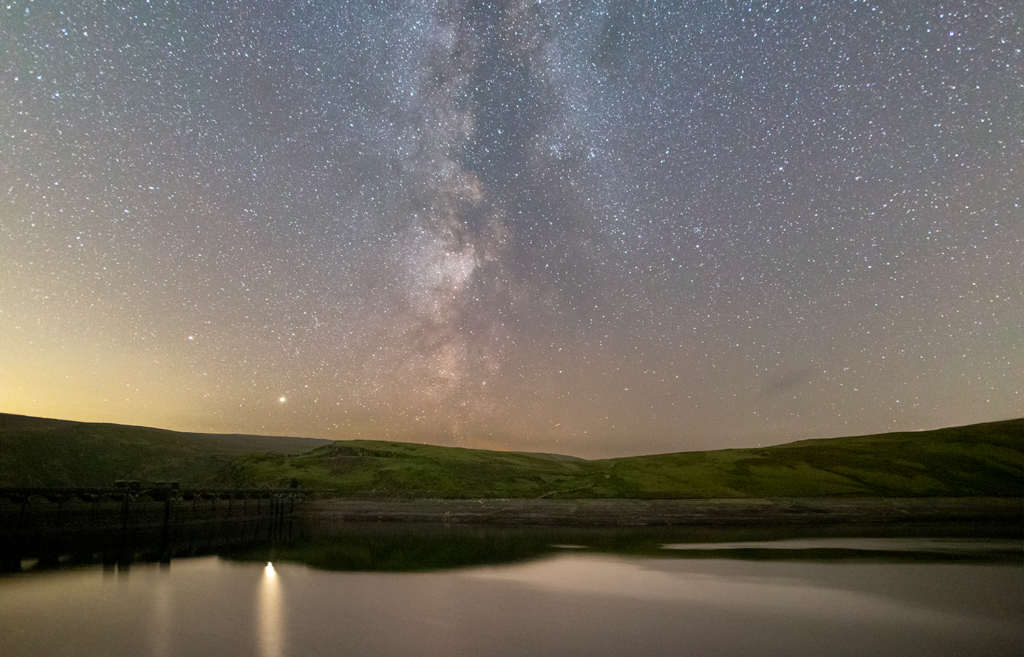
When the sun goes down, the real magic begins in the Elan Valley.
Did you know our 45,000 acres of open moorland and Victorian reservoirs are an official International Dark Sky Park? Protected from light pollution, the night skies here come alive with a sparkling blanket of stars and the shimmering arch of the Milky Way. To see these wonders, all you have to do is pull up in a car park, turn your car and all lights off, and let your eyes become adapted to the dark.
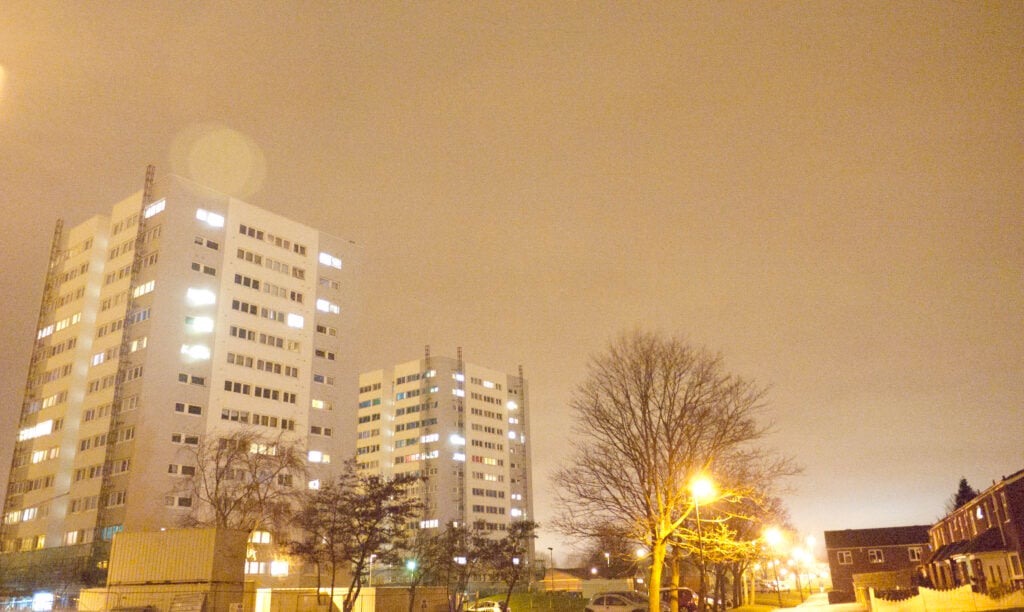
Badly installed lighting that shines upwards, such as street lights, illuminated billboards, shop signage, monuments, stadium lights and luminaires on buildings, whether domestic or commercial, are only some of the lighting that contributes to creating sky glow and preventing us seeing the night sky in all its wondrous glory.
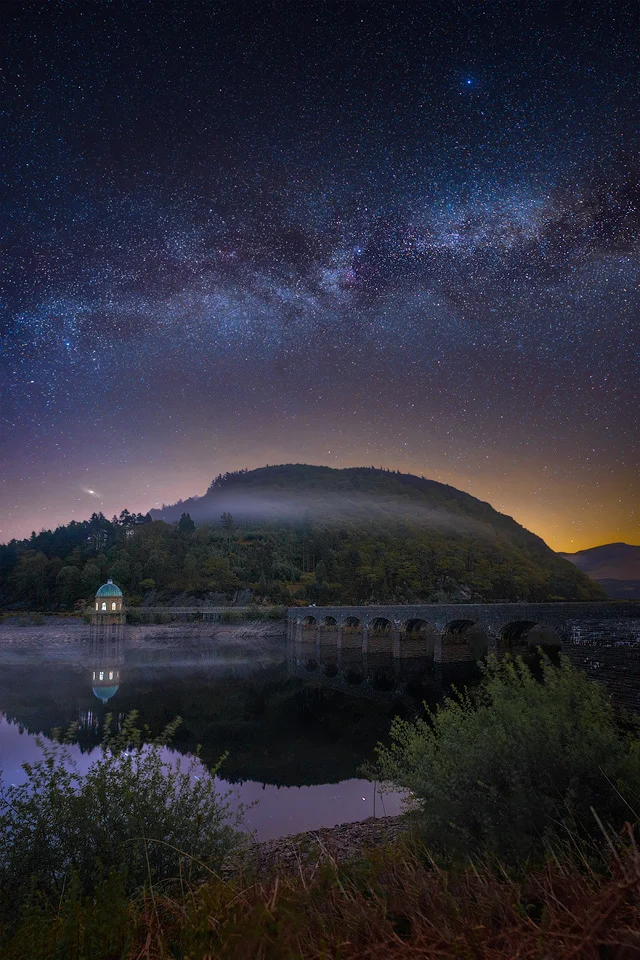
But keeping a dark sky dark goes further than an awe-inspiring experience.
Did you know the entire natural world relies on the night for survival and propagation? Man-made light can disrupt those natural processes:
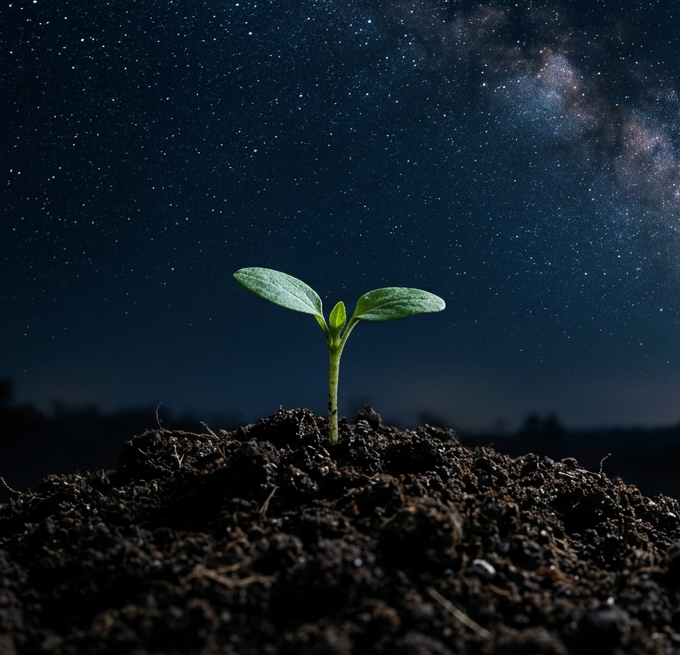
Plants
Plants: Just like humans, plants have circadian clocks that manage cellular functions based on the day-night cycle. Night-time is for growth, cellular repair and carbohydrate distribution. Did you know that many plants also rely on nocturnal pollinators such as moths, beetles and bats?
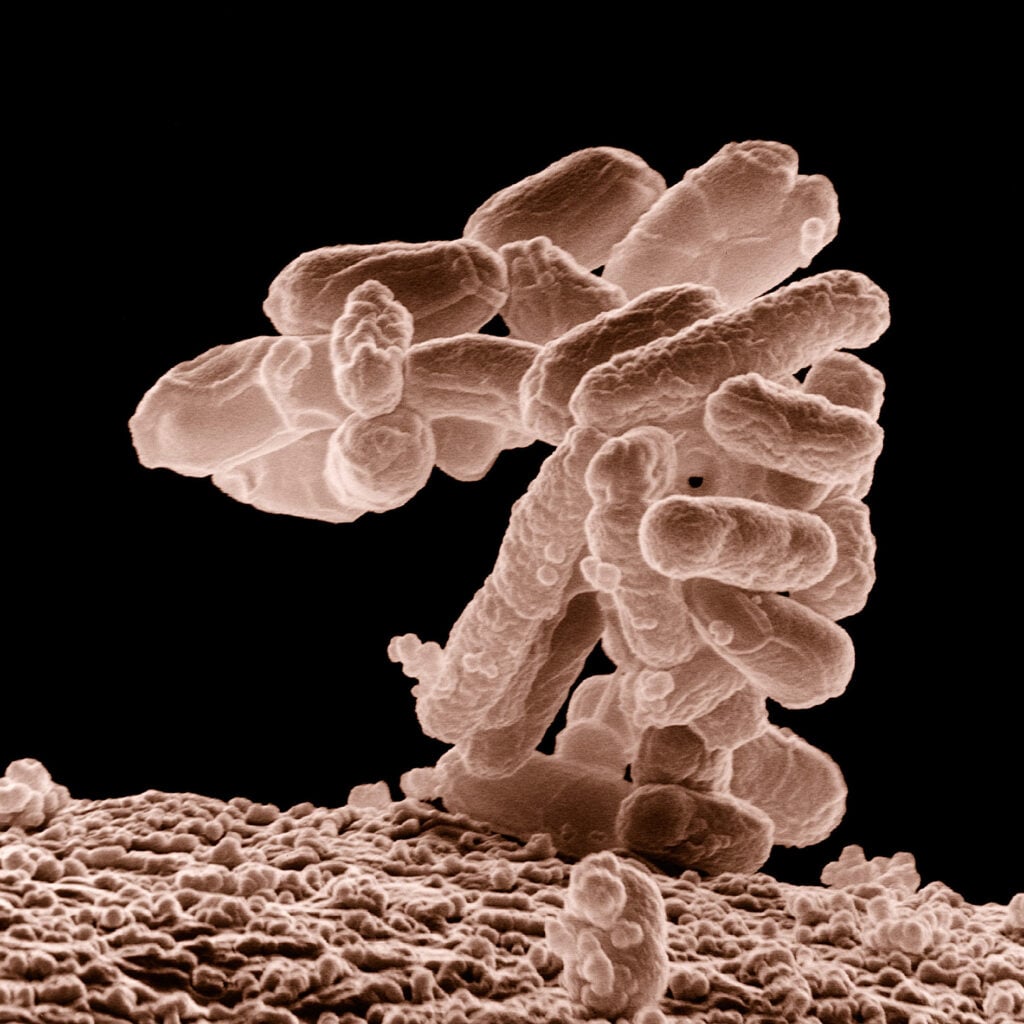
Microbes
Soil and water-bound organisms, such as cyanobacteria, use the night to perform nitrogen fixation, enriching ecosystems with essential nutrients.
By Photo by Eric Erbe, digital colorization by Christopher Pooley, both of USDA, ARS, EMU. – This image was released by the Agricultural Research Service, the research agency of the United States Department of Agriculture, with the ID K11077-1 (next)., Public Domain.
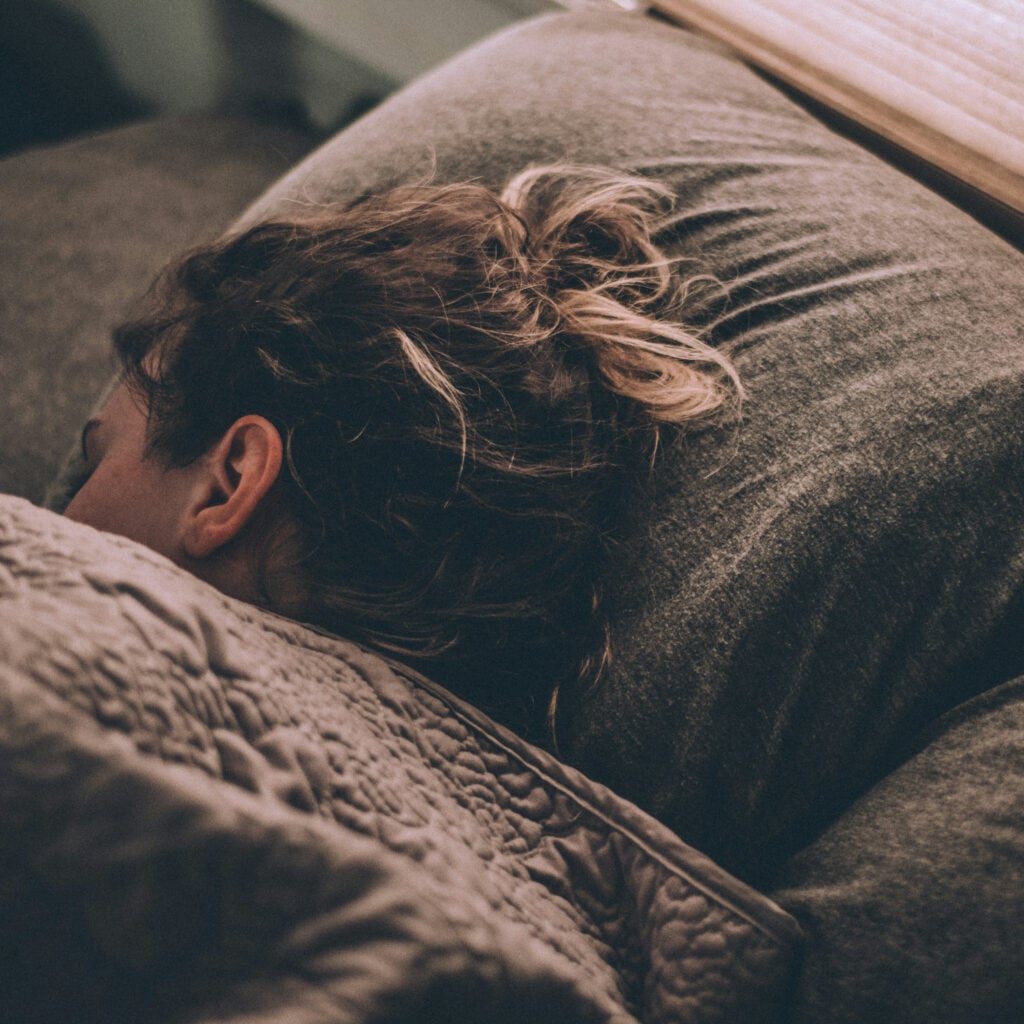
Humans
We need the dark to trigger our pineal gland to produce a hormone called melatonin. This, in turn, makes us sleepy and encourages us to tuck in for the night, enabling our brains to lay down memories, our bodies to repair and our immune systems to function properly. Did you know the human brain is highly sensitive to light, even when our eyes are closed?
Photo: Greg Pappas, Unsplash
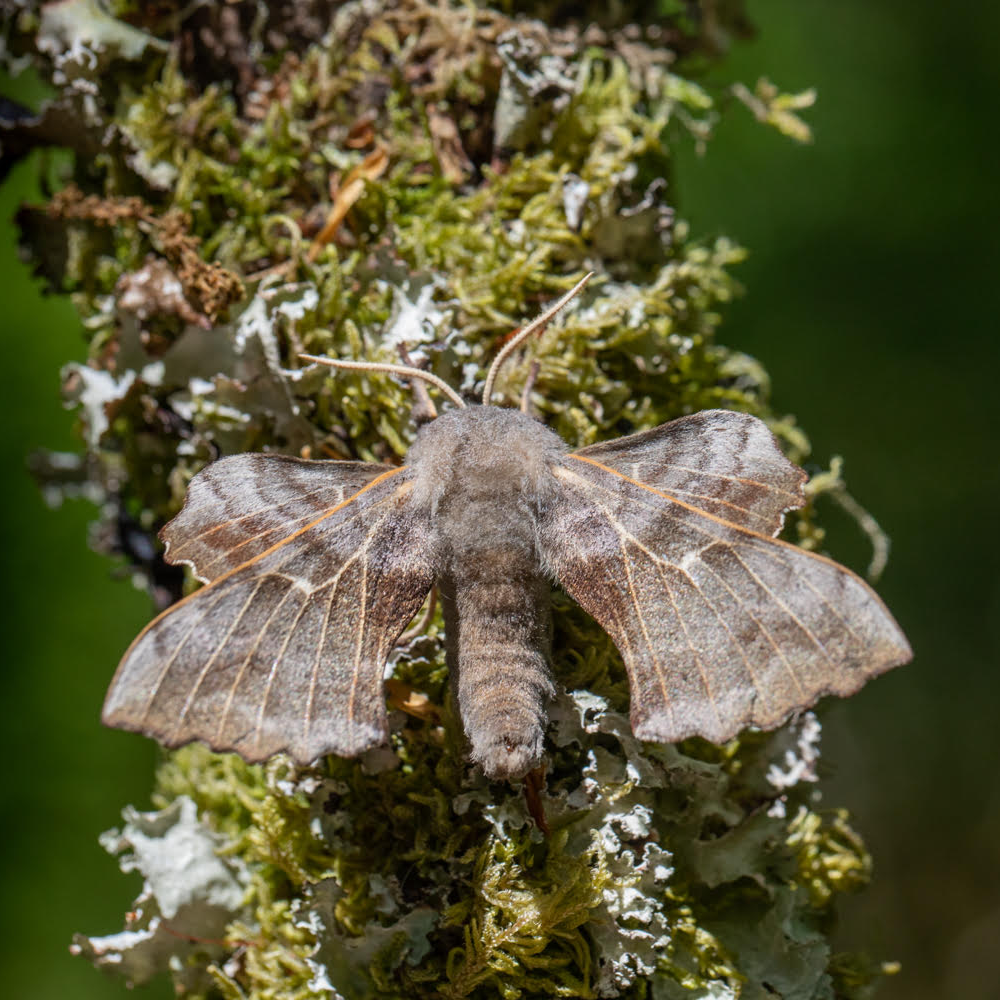
Animals
Light pollution disrupts animals’ natural biological clocks, disorienting their navigation and severely harming their ability to safely hunt, mate, and survive.
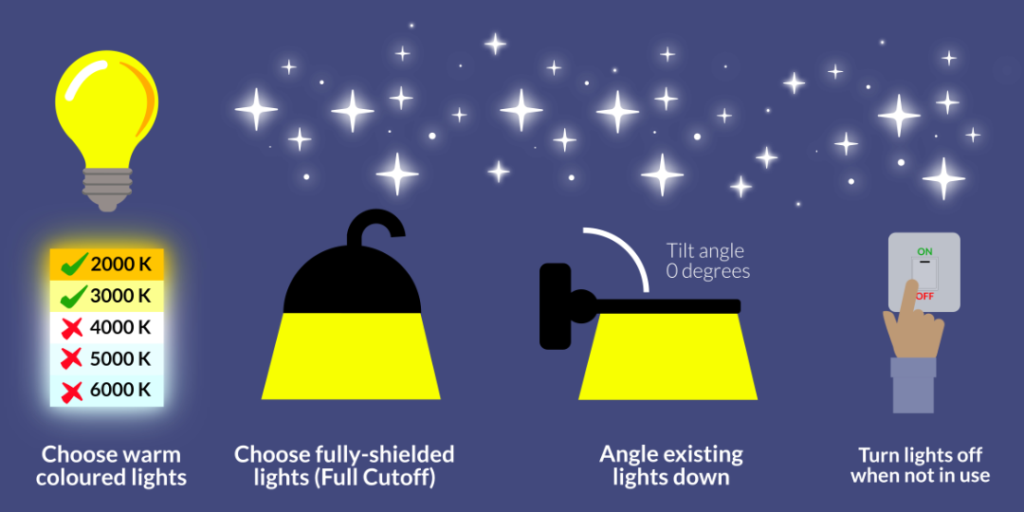
Compared to the other ecological issues we currently face, reducing man-made light pollution is an easy problem to fix, and it can start with you! Make sure your outdoor lights are pointing down or shielded, not shining light sideways and upwards. Swap your bulbs for warm amber and yellow-coloured lights – even turn them off when not in use. Not only will you save the planet but also save money on electricity bills.