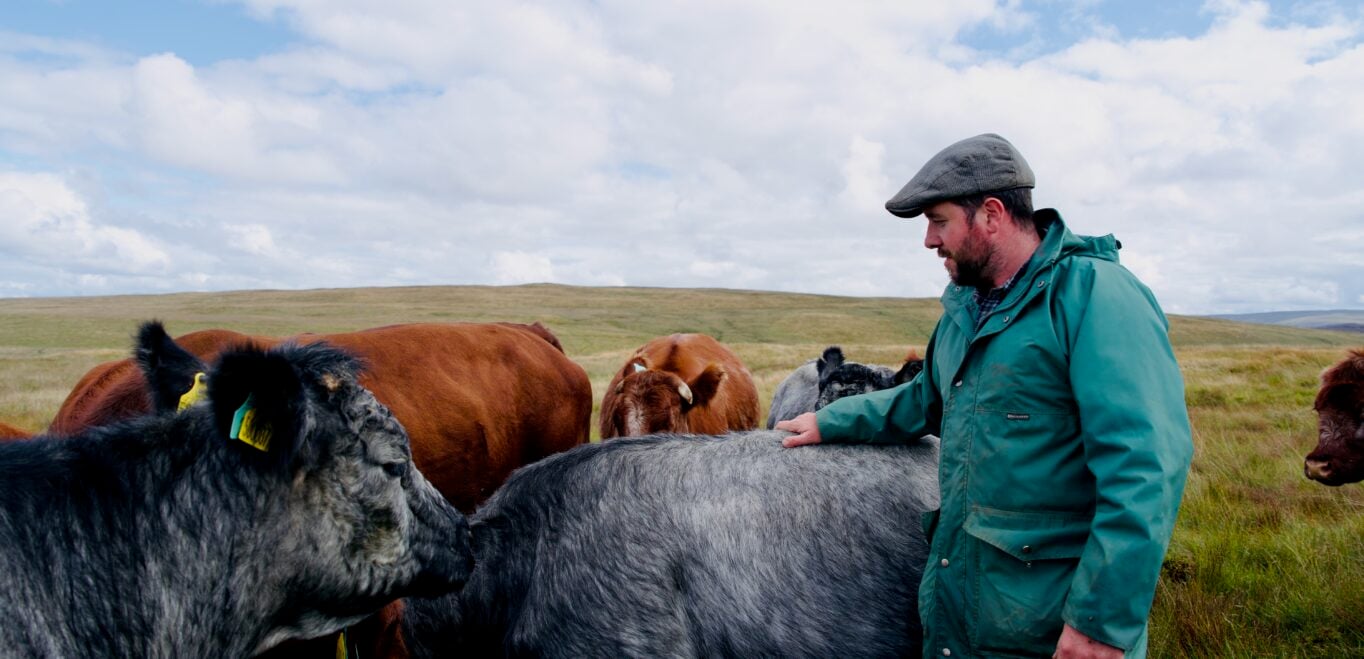
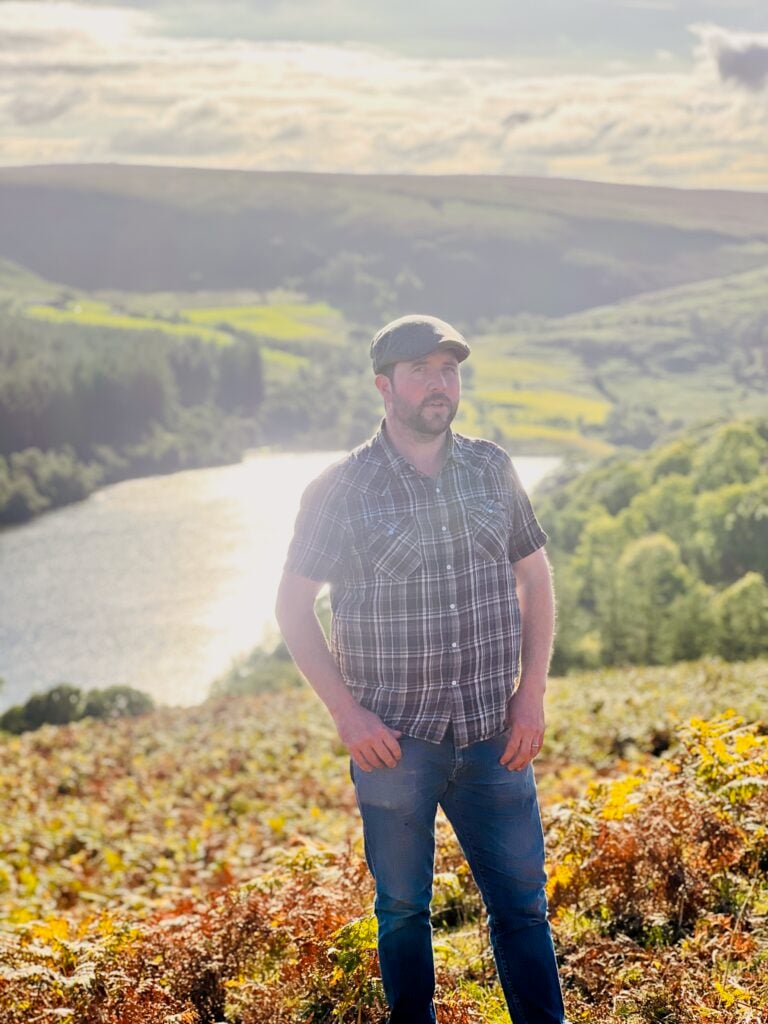
For the past 19 years, shepherd Dean Addison has worked among the hills of the Elan Valley. Around four or five years ago, native cattle were introduced to help manage areas dominated by Molinia, or purple moor-grass, and bracken.
On the hill next to Penygarreg, where Dean farms, Molinia can form dense tussocks and dominate the vegetation. Sheep tend to select shorter, more palatable growth, while cattle are less selective and will tackle longer, coarser grasses.
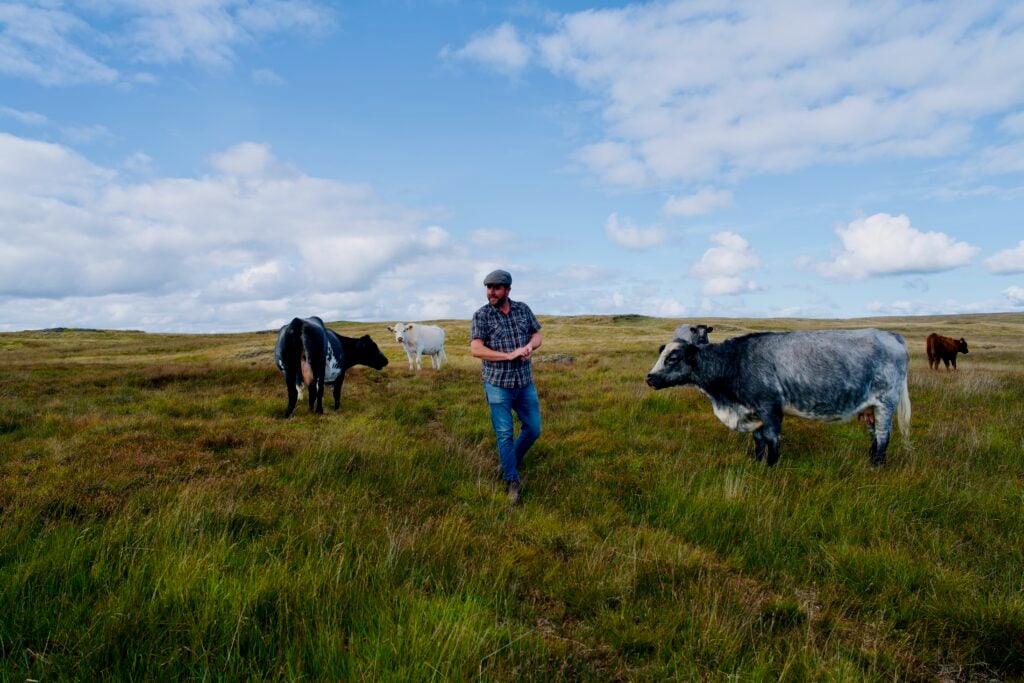
One challenge across parts of the estate is areas dominated by Molinia (purple moor-grass) and bracken. Sheep graze selectively, favouring more palatable plants and grazing around tougher growth like Molinia, removing its competition and allowing it to spread further. Left unmanaged, dense growth like this can also accumulate as fuel load, increasing wildfire risk in drought conditions.
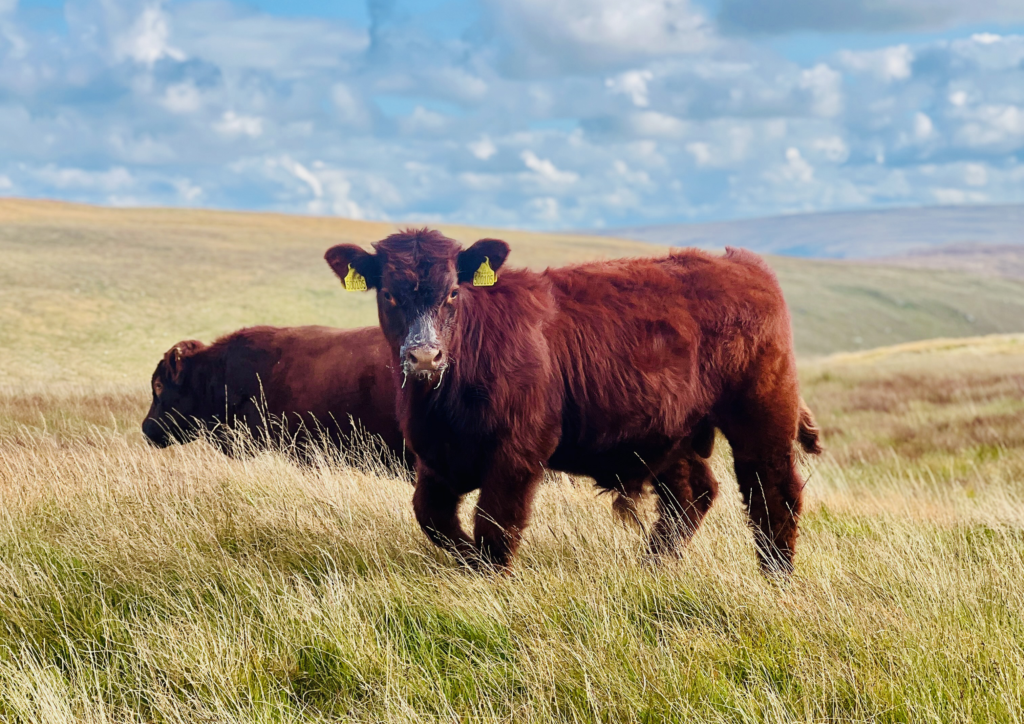
Cattle graze less selectively, taking on Molinia rather than avoiding it, and their weight and movement help trample and break up dense tussocks as they go. Repeated trampling of bracken weakens and breaks down its stems and underground rhizomes over time. Cattle can also reach steep or difficult ground that’s harder to manage by other means. We’re using targeted cattle grazing as one method to manage both, creating a more varied vegetation structure and opening space for a wider range of plants and insects.
Earlier in the summer, we use @Nofence GPS collars to target grazing where it’s most needed and adapt management by area.
Dean Addison, who manages the cattle, explains how it works on the ground.