A Skylark’s Perspective
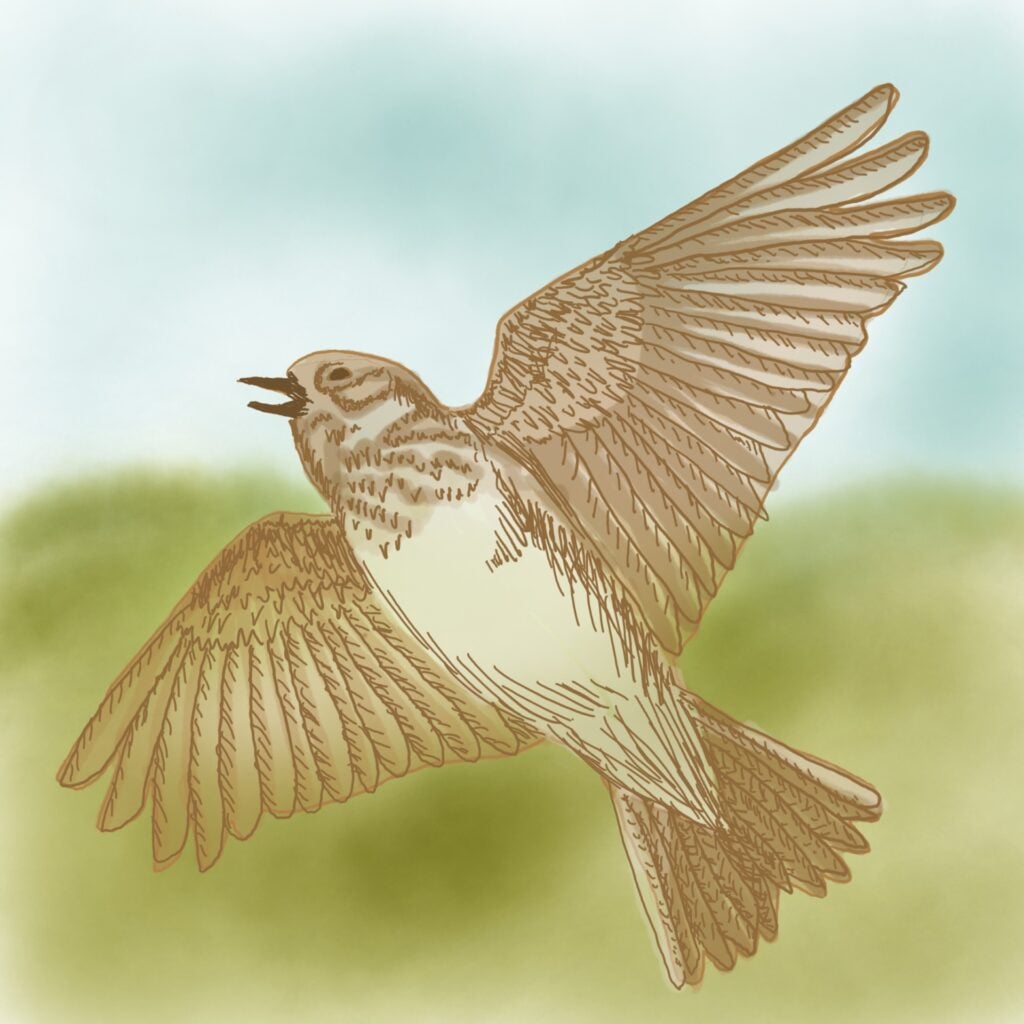
You’re a skylark, who has made their home in the rolling hills of the Elan Valley.
After a long and cold winter, the spring has finally sprung, and as such, you spring into life too! Erupting in jubilant song that travels across the hills and down the valleys, seeking out the perfect partner. After weeks of song and display of your finest skills, you meet the one! Together, you set about building a carefully weaved nest to raise the young chicks you have on the way. You persevere through the harsh conditions that life on the hills brings and work tirelessly to get be prepared for the hatching of your chicks. Finally, the drier and warmer weather arrives! It’s great news as your young chicks will need to be fed by insects, which the warmer weather draws out.
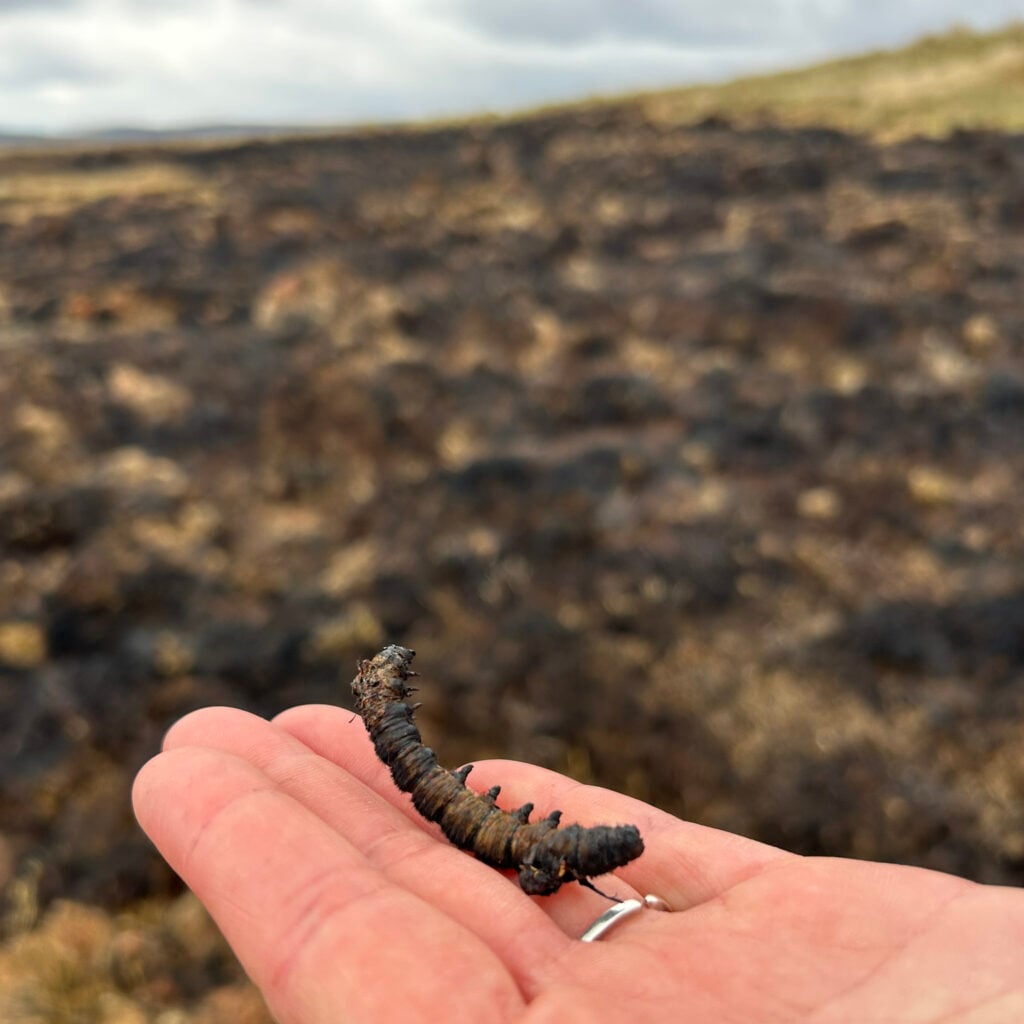
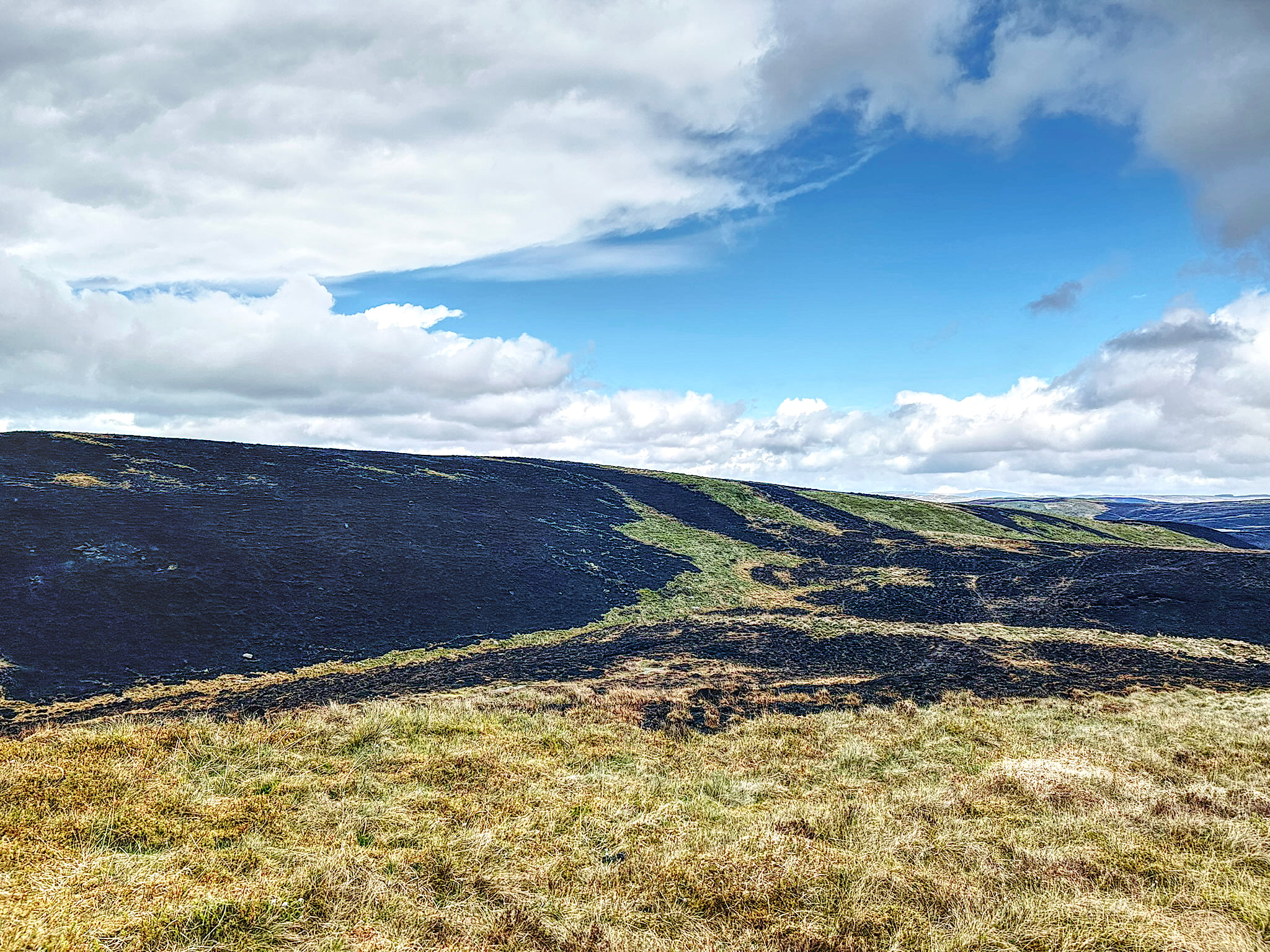
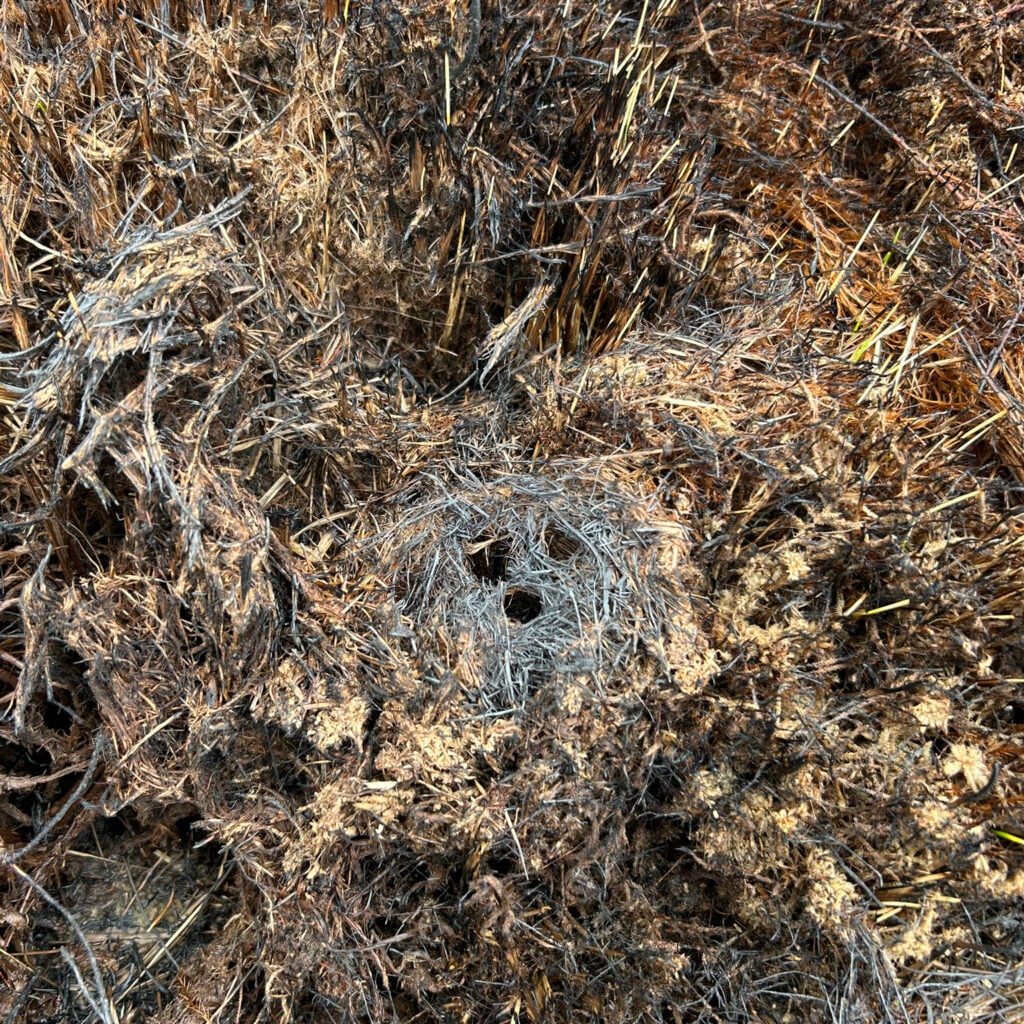
But in an instant, disaster strikes. First, you hear the crackling. This is followed by the plumes of smoke engulfing the hill. Finally, the fire is upon you and in mere moments, your nest and all your unhatched young are gone. You escape with your partner but the grief doesn’t stop here. Your home has been destroyed. Where will you nest now?
Any vegetation left is too short to protect you from prowling predators and the insect population to feed your young has been decimated.
You no longer sing with jubilance from the hills.
Skylark populations have declined by 63% since 1967. They need to attempt to nest 2-3 times between April and august to sustain the population. The effect of one fire can be catastrophic to skylarks in the area. This is just one example of the species affected.
You can do your bit to protect the precious land of the Elan Valley during your visit:
- No campfires or barbecues
- No wild camping
- Take litter home with you
- Keep to legal byways
Together we can work to reduce the frequency and impact of wildfires on our hills and protect the wildlife call it home.
Skylarkstuff